1986
Space Shuttle Challenger
Engineers raised O-ring concerns repeatedly, but the risk was normalized and their warnings never reached the decision.
OSES-AI turns anonymous workforce feedback into an early-warning system for aviation, aerospace, energy and healthcare. Leaders see where organizational risk is building and know exactly what to fix, long before it shows up in an incident report or accident report.
The OSES methodology has been applied at
The warning signs are usually there. Most organizations simply have no reliable way to hear them.
close calls between airliners and helicopters at Washington National in the three years before the 2025 midair collision.
total cost to BP of Deepwater Horizon, where worker warnings lost out to production priorities.
in direct costs from the 737 MAX crisis, with more than $60B in further losses for Boeing.
employees will not report a safety threat unless they are guaranteed anonymity.
Four decades of investigations point to the same conclusion. Before the failure, there was a warning sign inside the organization that no one acted on.
Engineers raised O-ring concerns repeatedly, but the risk was normalized and their warnings never reached the decision.
Foam strikes became accepted as normal, and investigators found the culture mattered as much as the foam itself.
Gaps in automation training and procedural guidance left the crew without the support they needed.
Production pressure shaped safety decisions, and concerns were not fully raised.
Management set aside worker warnings in favor of the drilling schedule.
Known vulnerabilities to extreme events were underestimated and preparation fell short.
The same organizational conditions show up before accidents in every industry. Each one can be measured long before it ends up in an accident report.
In every one of these cases, the organizational conditions were visible beforehand. OSES-AI exists to surface those conditions while there is still time to act.
Regulators expect measurable safety performance, experienced staff are retiring faster than they are replaced, and boards want forward-looking risk insight.
Charter, air tour and aircraft manufacturing organizations now need a working Safety Management System that includes ongoing measurement of safety performance.
New pilots, technicians and crew bring less experience and more strain. Staffing gaps, schedule pressure and fatigue are exactly what OSES-AI measures.
Most safety platforms record what already happened. OSES-AI adds the forward-looking measure that boards and accountable executives are asking for.
Your safety program already tracks incidents, audits, and accidents, but those measures often arrive after the damage is done. OSES-AI measures the organizational conditions that come first, and gives leadership a clear answer to the question that matters most: where should we act now?
Production pressure, reporting confidence, and trust shift months before accident rates do, and OSES-AI measures them across every team.
The AI ranks every finding by severity and by its match to known accident precursors, so budget and attention go where they count.
Benchmarked, repeatable culture metrics give boards and regulators evidence that your Safety Management System is doing its job.
Organization score
Rising schedule pressure with falling willingness to report matches the production-over-safety pattern found before Deepwater Horizon. Recommended action: provide a non-punitive safety reporting system and improve communications between workers and supervisors.
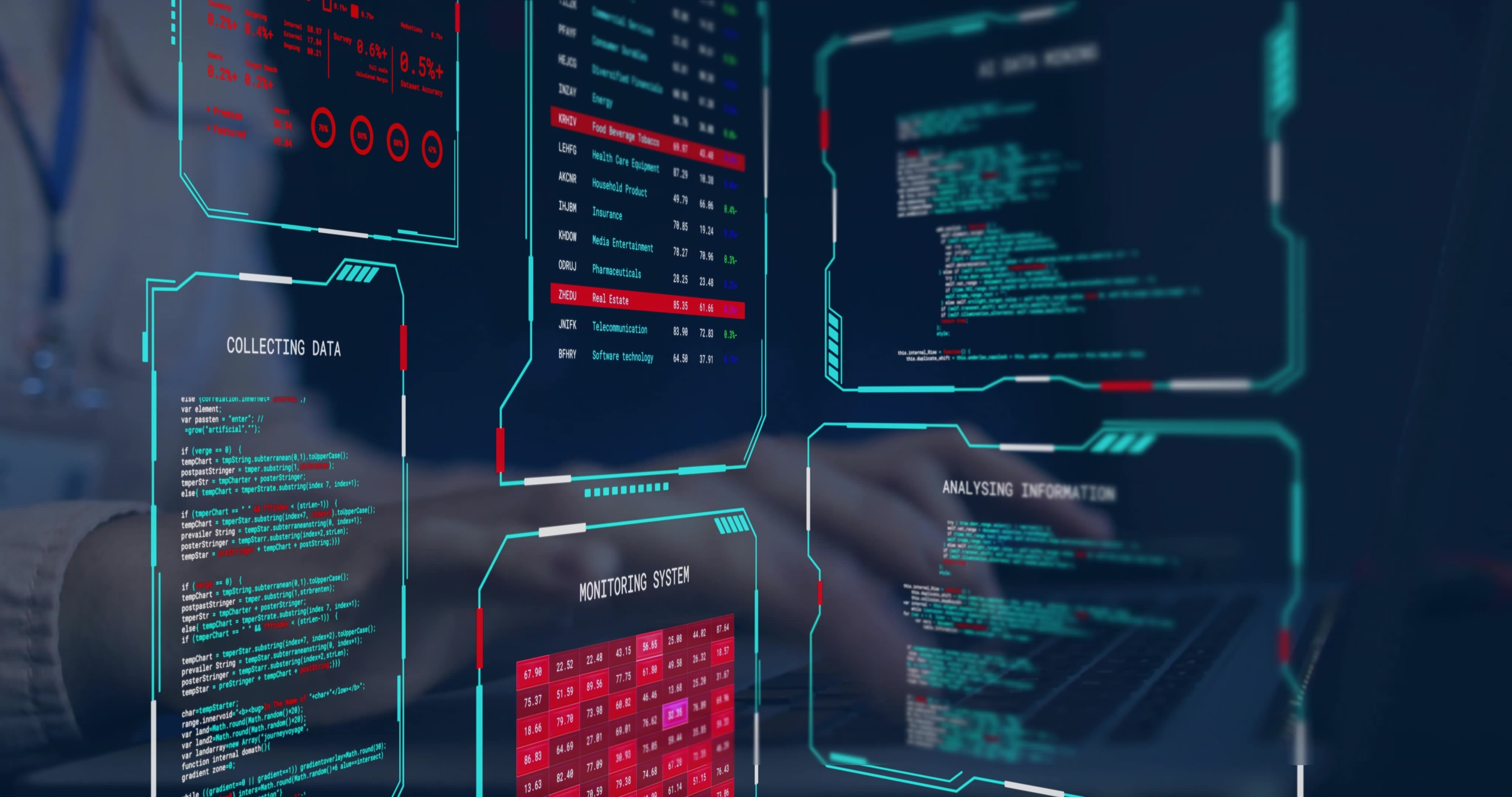
OSES-AI gathers anonymous workforce perceptions across 12 dimensions and checks them against safety science, real accident investigations and High Reliability Organization principles.
Agentic AI reads every response for patterns such as normalized deviance, weak reporting culture and complacency, so a concern is flagged while it is still a concern.
Results are checked against the conditions behind Challenger, Columbia, the 737 MAX, Deepwater Horizon and Fukushima, and against industry norms.
The AI Safety Advisor explains findings, interprets the statistics and recommends what to fix first, for leaders who are not analysts.
Executive summaries, risk heat maps, trend analysis and board-level briefings are generated automatically for each audience.
"What are our highest risk areas, and how do we compare to high reliability organizations?"
The Advisor answers with findings grounded in safety science research, a root-cause view of what is driving the risk, and a prioritized set of interventions your team can start on this week.
Pilots, technicians, dispatchers, crews and managers respond privately.
Every response is scanned for known accident precursors.
Results are compared with major accident findings and industry norms.
Leaders explore the findings and receive ranked recommendations.
Briefings and dashboards reach the right audience automatically.
The survey runs on a recurring cycle, so you also see whether corrective actions are working. A typical enterprise setup takes 2 to 4 weeks.
A commercial airline runs its annual OSES-AI survey. The data shows a developing pattern at one maintenance base, months before it would appear in any accident report.
No accident happened.
That is exactly the point.
Crews and maintenance staff respond anonymously across all bases.
Schedule pressure is rising and reporting confidence is falling at one base.
A briefing with root cause and benchmark comparison reaches the safety director.
Work schedules are adjusted, a remedial reporting channel is opened, and the next cycle confirms the fix.
Two decades of OSES surveys give every result a benchmark, and the same questions expose very different safety climates across industries.
Share of survey responses on a 1 to 5 scale, from problematic to favorable
Aviation surveys surfaced the same conditions that investigators later cite after accidents.
Airlines, charter and cargo operators, MROs and air forces building or maturing an SMS.
Space operations, flight research and aircraft design and production organizations.
Power generation and electric utilities with complex procedures and high public scrutiny.
Upstream operations, refineries and offshore helicopter transport.
Hospitals and air ambulance programs, where reporting culture drives patient safety.
Any organization where a single failure carries human, financial and reputational cost.
Creator of the Organizational Safety Effectiveness Survey, applied for more than two decades across NASA, commercial and military aviation, offshore energy, utilities and healthcare.
An enterprise AI and data engineering company headquartered in San Jose, California, building the agentic AI engine, Safety Advisor and reporting platform behind OSES-AI.
Explore the working prototype, then book a walkthrough on scenarios from your own operation.
Individual responses are never visible to leadership. Results are shown only at organization and group level, which is why people answer honestly.
No. It works alongside your existing SMS and safety tools, and supplies the safety culture measurement and assurance evidence those systems lack.
A typical enterprise setup takes two to four weeks, including tailoring the survey to your operation and configuring reports.
The AI evaluates results against established safety science, published accident investigation findings and OSES industry norms, and shows the evidence behind every finding.
Yes. OSES has been used in aerospace, aviation, offshore energy, utilities and healthcare, and the survey items and benchmarks are tailored to each environment.
See how OSES-AI would read your organization. We will walk you through the platform using scenarios from your industry.